A Master Class In Hope
Gardens Connect Us When the Country Divides Us

Gardening is an instrument of grace. … Everything that slows us down and forces patience, everything that sets us back into the slow circles of nature, is a help.
— May Sarton
A few years ago, I wrote a piece for Garden & Gun about the quiet, unpretentious magic of Southern soil. I described the generations-old plant starts handed down to me by my octogenarian neighbor, Marge, who employed a probationary system for her plant babies: She gave me a few, waited a month, then blessed me with more once I proved capable of keeping the first batch alive.
This is one of my favorite things about living in the South: Not only does every person have a story; every plant does, too.
Among my favorite Marge gifts was a purple-flowered obedient plant, which grows into haughty midsummer purple spikes. As it turns out, the plant is as obedient as a toddler on espresso. Some 25 years after Marge passed, it continues its aggressive campaign to colonize my entire yard (and now, thanks to my friend Jen, who’d admired it last year, hers too).
But I still love it because plants connect us to the people who walked these plots before us. I will never see an Iris without hearing my late mom call them “flags,” or look at a mound of sedum ground cover without remembering her name for them, “live-forevers.” Followed by the thought that I wish she’d lived forever
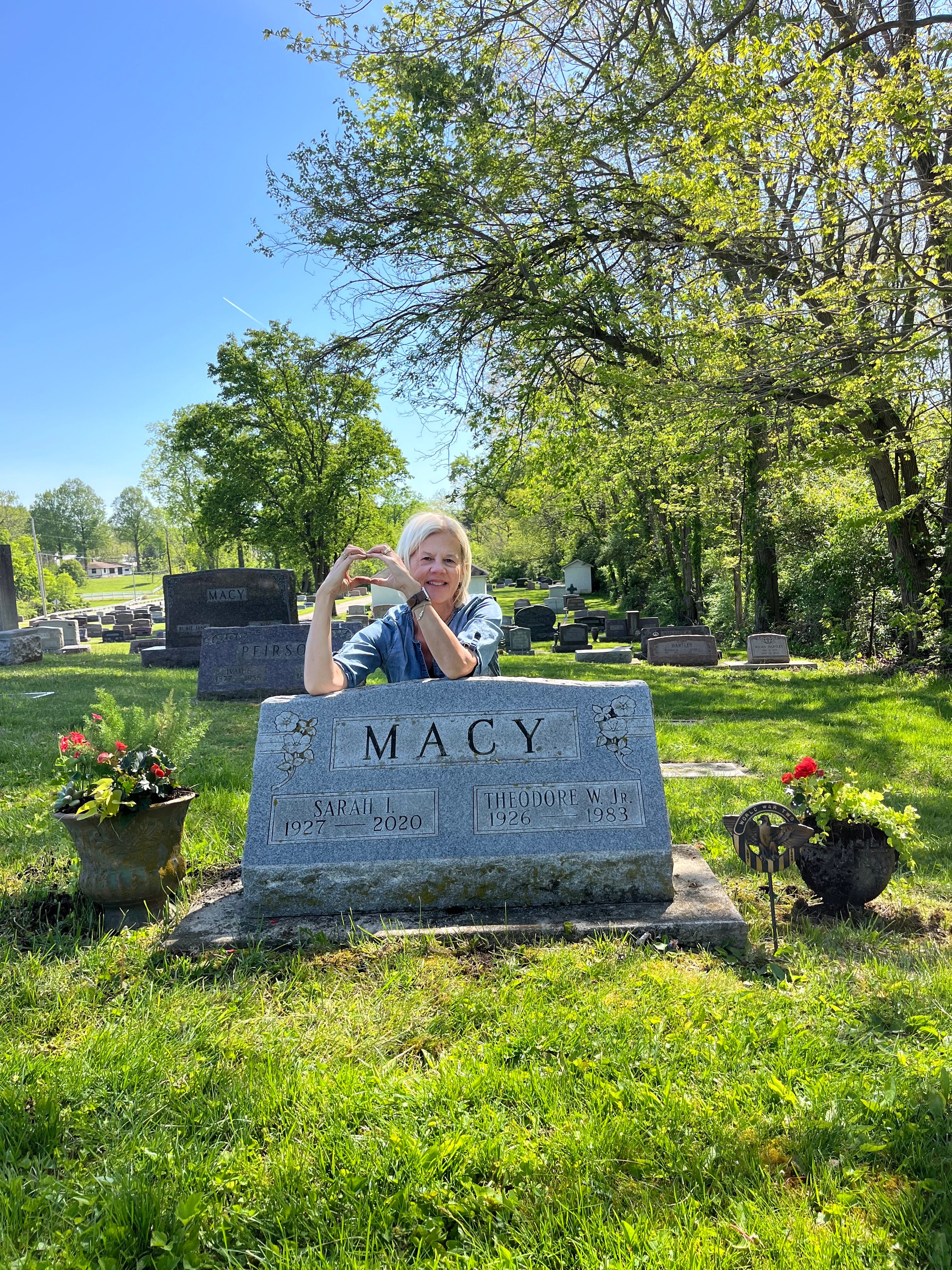
Lately, though, gardening has become more than a beloved hobby. It’s become my lifeline.
“I saw you out the window, and you were just looking around the backyard beaming,” my husband said recently. He omitted the fact that I was covered in sweat with mulch stuck to my knees.
But can you blame me? We are living through an exhausting and deeply fractured era. We wake up, unlock our phones, and within three seconds, a cold spike of anxiety sets in. It’s a relentless barrage of political noise and institutional erosion, splattered across a landscape that is fungal and diseased, not unlike the calcified Queen Elizabeth roses that came with our house.
The country is drifting away from decency, normalcy, and any shared notion of the truth. The noise is deafening. If you let it, the sheer weight of the chaos will bury you in a Netflix stupor on the couch.
So, this is my tiny coup. Every morning, instead of doomscrolling the news, I leave my phone on the kitchen table, go outside, and, even for just a half-hour, stick my hands in dirt.
• • •
I do this because life needs to feel normal again. Don’t you want to wake up in the morning not worried about what crazy thing the president has done or said while you were sleeping? Don’t you wish you could un-see the Trump-as-AI-Jesus he posted in the middle of the night, or skip his bit about blowing up an entire civilization by 7 p.m.?
When you step into a garden, the frantic, 24-hour news cycle ceases to exist. A seed doesn’t care who’s in the White House. A stubborn patch of crabgrass doesn’t check the latest polling data before taking over your zinnia patch. The soil operates on a completely different, ancient timeline, demanding our presence, our patience, and our physical labor. To plant a garden is, by definition, an act of defiance against despair. And despair, as Audre Lourde put it, is the tool of our enemies.
Think about the sheer physics of it: You take a tiny, dried-up, seemingly dead speck of a seed, drop it into the dark earth, cover it up like a tiny grave, and walk away. Viewed through a lens of modern cynicism, it seems foolish. But you do it anyway. You water daily, and you wait.
Gardening is a masterclass in delayed gratification. It forces you to invest in a future you cannot yet see. It demands a quiet optimism that flies directly in the face of the dread we get spoon-fed on our screens. When we kneel in the mulch, dirt under our fingernails, we reject the grim notion that we are broken for good. We stand out there and stubbornly assert that good things can still grow when we tend to them and when we hope.
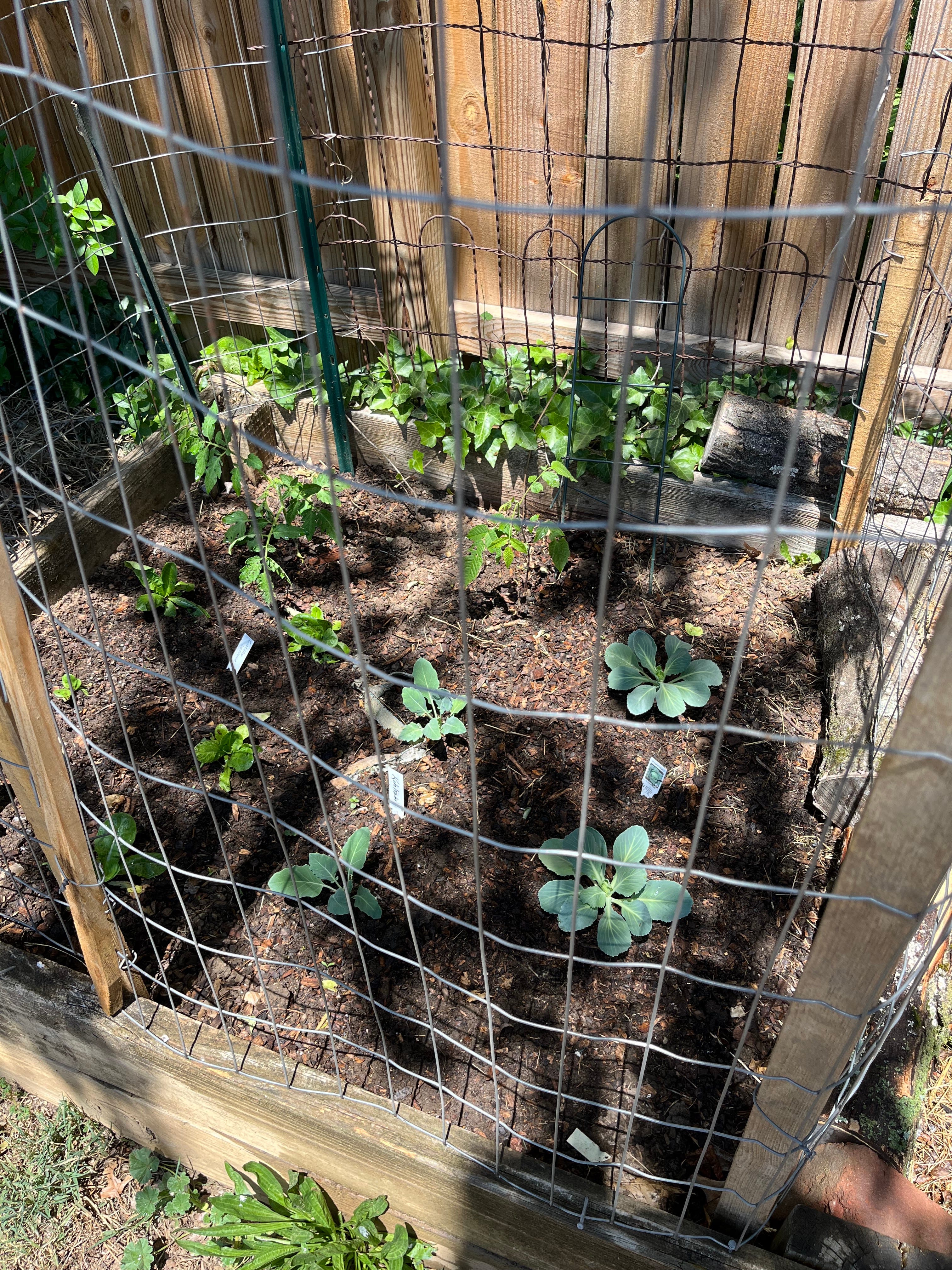
I know this is true because I see the universe cooperating all around me. I see it in my neighbor Lee’s raspberry canes, which are currently staging a friendly invasion over our side of the fence (and they are yummy). And I see it in my raised bed in the back alley—a COVID-era project that I neglected in recent years. My neighbor Mike, a retired veterinarian, noticed the abandonment, deduced that I’d be too busy campaigning to keep my usual raised bed of tomatoes alive, and decided to plant, weed, and water it for me (while keeping the deer out).
.
• • •
On the eve of America’s 250th birthday, many of us are utterly desperate to get to the other side of this turbulent chapter. We want to watch the evening news without our chests tightening into a knot. We want to believe our institutions can hold; that basic human decency isn’t a relic of the past.
But until normalcy returns, we must cultivate micro-levels of sanity wherever we can. For me, that sanity is found in the citrusy smell of marigold foliage on my hands, the hum of pollinators, and the juicy satisfaction of a Berkeley tie-dye tomato. (Shoutout to Walter’s Greenhouse, and to the growing goddess, Janet Walter, for turning me onto that specific, heirloom deliciousness years ago—more proof that God loves us and requires us to eat the first tomato sandwich of the year on white bread with a schmear of Duke’s mayo … while standing over the kitchen sink.)
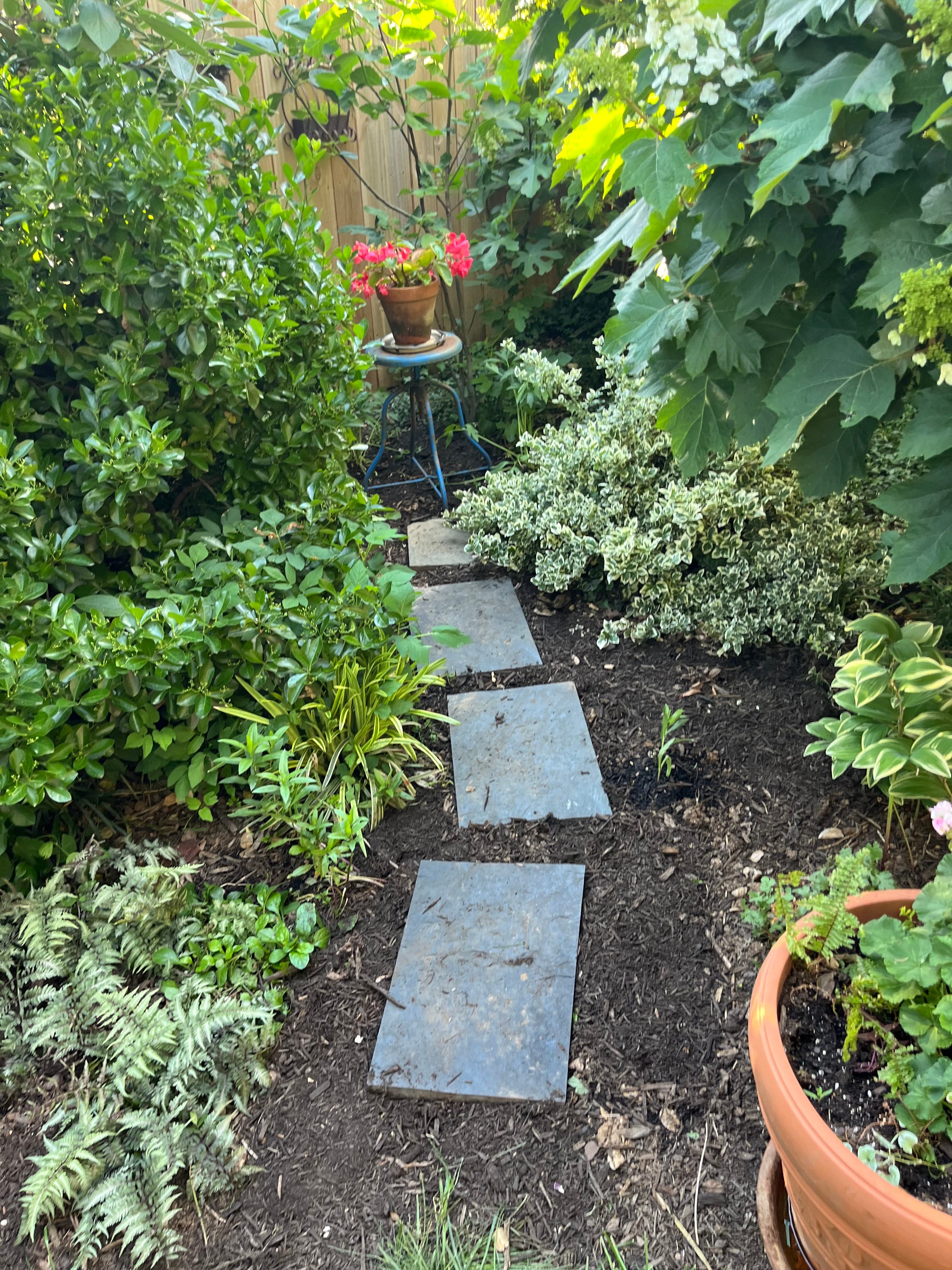
The country at large may feel like a dumpster fire in a windstorm, but my small plot of land is orderly, productive, and peaceful. It reminds me that the darkest, ugliest winters always give way to spring.
• • •
The garden teaches us that nothing changes without actual labor. You can’t just stare at a barren plot of land and dream about a future harvest; you have to roll up your sleeves and do the heavy lifting required to cultivate it.
Restoration doesn’t happen by wishing from the sidelines, nor does it happen through passivity or nihilism. The work ahead is simply too urgent for us to remain paralyzed.
So, use the garden to restore your spirit, but don’t let it become your hiding place. Let the peace you find in the soil be your fuel. Recharge your battery out there, then bring that energy back into the real world where it’s needed most. We might not fix everything overnight, but as every gardener knows, even the funkiest soil can be transformed when we give it the nurturing it deserves.
Music does the same thing as gardening. You can't think about bad stuff when writing or playing a good song. Thanks for the great post!
It may be free verse, but what you wrote is poetry.
And a tribute to Duke’s mayonnaise . . . all others are but pale imitations of the real thing. This makes you truly a Southerner. Welcome home.